Does Homeowners Insurance Cover Flooding in Florida?
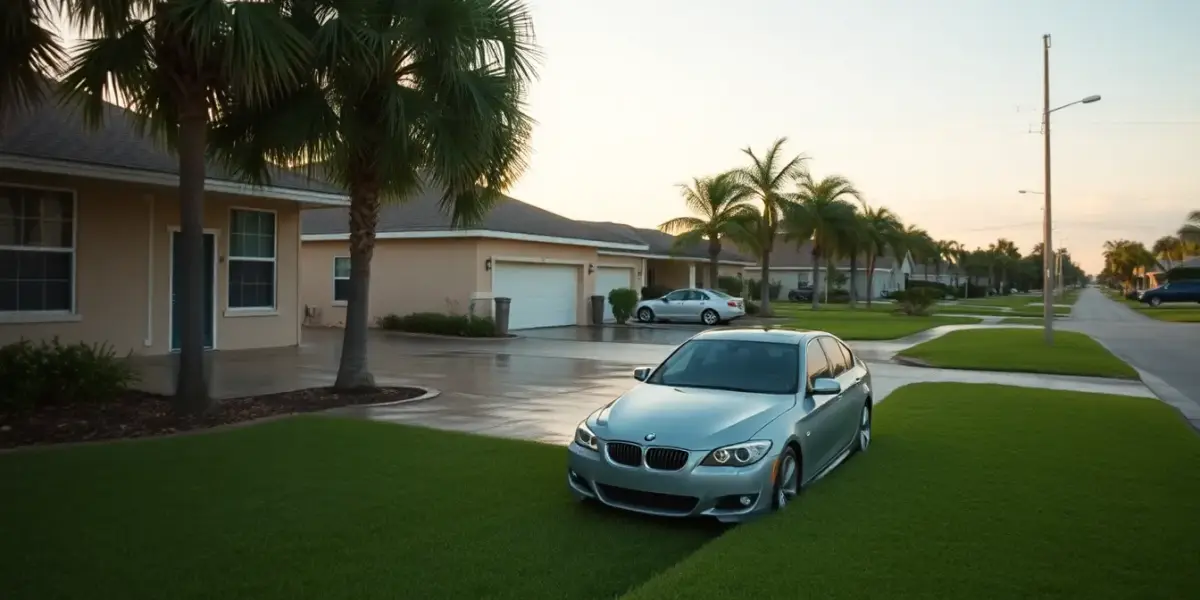
Does Homeowners Insurance Cover Flooding in Florida?
When it comes to protecting your home in Florida, one of the most common questions homeowners ask is: Does my homeowners insurance cover flooding? Given Florida's coastal location and vulnerability to hurricanes and heavy rain, understanding your coverage options is crucial.
The Truth About Homeowners Insurance and Flooding
Standard homeowners insurance policies typically do not cover flood damage. This can be surprising to many, especially in a state frequently affected by severe weather. Here’s what you need to know:
What Homeowners Insurance Covers
- Dwelling Protection: Covers physical structure damage from perils like fire, theft, or vandalism.
- Personal Property: Protects your belongings from damage or theft.
- Liability Coverage: Offers protection against lawsuits for bodily injury or property damage.
- Additional Living Expenses: Covers costs of temporary housing if your home becomes uninhabitable due to a covered peril.
What Homeowners Insurance Does NOT Cover
- Flood Damage: Damage caused by flooding is specifically excluded from most homeowners insurance policies. This includes water damage from heavy rain, storm surges, or overflowing rivers.
The Importance of Flood Insurance in Florida
Given Florida's unique risks, securing separate flood insurance is highly recommended. Here’s why:
- High Flood Risk: Approximately 25% of flood claims come from properties outside of high-risk flood zones.
- Coverage Options: Flood insurance can be purchased through the National Flood Insurance Program (NFIP) or private insurers.
- Financial Protection: Flood insurance provides coverage for both structural damage and contents, with maximum coverage limits available.
Types of Flood Insurance Coverage
-
NFIP (National Flood Insurance Program):
- Maximum coverage: $250,000 for dwelling and $100,000 for contents.
- Standardized rates set by FEMA.
- 30-day waiting period for new policies.
-
Private Flood Insurance:
- Often more affordable with higher coverage limits.
- Flexible terms and faster claims processing.
- Can be purchased anytime without waiting periods.
How to Assess Your Flood Insurance Needs
- Know Your Flood Zone: Check FEMA flood maps to determine if your property is in a high-risk zone.
- Evaluate Your Property's Risk: Consider factors like elevation, proximity to water bodies, and historical flooding in your area.
- Consult an Expert: Speak with a licensed insurance agent to discuss your specific needs and options.
Conclusion
In summary, homeowners insurance in Florida does not cover flooding, which makes having separate flood insurance essential for protecting your property. Understanding your coverage options and securing the right insurance can save you from significant financial loss.
At Walker Insurance Agency, we’re here to help you navigate your flood insurance options and ensure you have the right coverage for your unique situation.
Don't leave your property unprotected—reach out to us today for a free quote!
Related Articles
Do I Need RV Insurance in Florida? Key Considerations for Owners
If you're a Florida RV owner, understanding the necessity of RV insurance is crucial. This post delves into the legal requirements, benefits of coverage, and practical considerations for protecting your investment on the road.
Read More →
Is Boat Insurance Required in Florida? What Every Owner Should Know
Are you a boat owner in Florida wondering if you need insurance? While boat insurance is not legally required, it's highly recommended to protect your investment and ensure peace of mind. Learn more about the coverage options available to you.
Read More →
Understanding Car Insurance Rates in Stuart, FL: What Affects Your Premiums?
Are you curious about what affects car insurance rates in Stuart, FL? This guide breaks down key factors that can influence your premiums, helping you make informed choices when shopping for insurance. Discover actionable tips to save money while ensuring you have the right coverage.
Read More →