Essential Insights on Boat Insurance Requirements in Florida
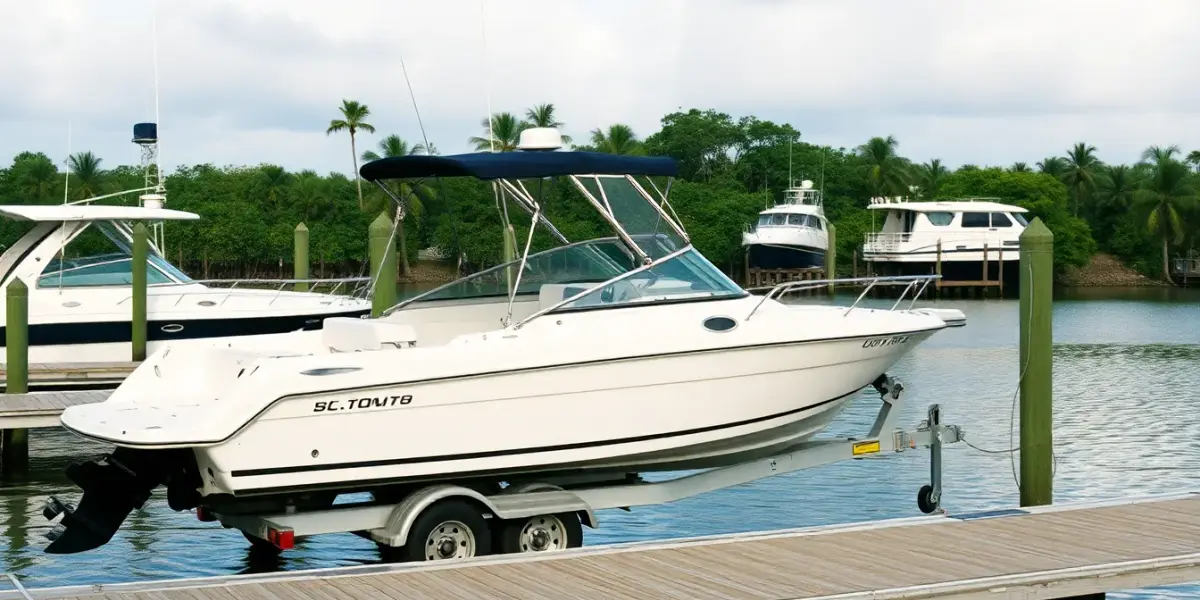
Essential Insights on Boat Insurance Requirements in Florida
Boat insurance is a crucial consideration for anyone who owns a vessel in the Sunshine State. While Florida does not mandate boat insurance by law, understanding the implications of not having coverage can save you from financial hardships down the line. This post will guide you through the essentials of boat insurance in Florida, helping you make an informed decision for your boating adventures.
Is Boat Insurance Required in Florida?
In Florida, boat insurance is not a legal requirement, unlike auto insurance. However, many boat owners choose to purchase it for several important reasons:
- Protection from Liability: If you cause an accident that results in injury or property damage, boat insurance can protect you from costly lawsuits.
- Loan or Lease Requirements: If you financed your boat, your lender might require you to carry insurance.
- Marina Regulations: Some marinas and docks require proof of insurance before allowing you to dock your boat.
Why You Should Consider Boat Insurance
Even though boat insurance isn’t required, it’s a wise investment for various reasons:
1. Financial Protection
- Liability Coverage: Protects you from potential lawsuits if you're found responsible for injuries or damages.
- Physical Damage Coverage: Covers repairs or replacement of your boat in case of theft, accident, or damage.
2. Peace of Mind
- Enjoy your time on the water without worrying about the financial implications of an accident or damage.
3. Additional Coverages
- Medical Payments: Covers medical expenses for you and your passengers in the event of an accident.
- Uninsured Boater Coverage: Protects you if you’re involved in an accident with a boater who has no insurance.
What Does Boat Insurance Typically Cover?
Boat insurance policies can vary widely, but most offer:
- Liability Coverage: For injuries and damages to others.
- Physical Damage Coverage: For your boat and attached equipment.
- Personal Effects Coverage: For belongings on the boat, such as fishing gear and personal items.
- Towing and Assistance: Coverage for emergency towing and assistance on the water.
How to Choose the Right Boat Insurance
When shopping for boat insurance, consider the following tips:
- Assess Your Needs: Determine how often you use your boat and the type of activities you’ll engage in.
- Compare Quotes: Look for multiple quotes to find the best coverage at the right price.
- Understand the Exclusions: Review policy exclusions to know what is not covered.
- Ask About Discounts: Inquire about discounts for safety features, experience, and bundling with other policies.
Conclusion
While boat insurance is not required in Florida, understanding its importance can help protect you from unexpected costs and liabilities. Investing in boat insurance is a smart choice for safeguarding your vessel and ensuring peace of mind while enjoying Florida's beautiful waterways.
If you're ready to explore your boat insurance options, Get a Quote or learn more about our Boat Insurance offerings at Walker Insurance Agency.
Related Articles
Do I Need RV Insurance in Florida? Key Considerations for Owners
If you're a Florida RV owner, understanding the necessity of RV insurance is crucial. This post delves into the legal requirements, benefits of coverage, and practical considerations for protecting your investment on the road.
Read More →
Is Boat Insurance Required in Florida? What Every Owner Should Know
Are you a boat owner in Florida wondering if you need insurance? While boat insurance is not legally required, it's highly recommended to protect your investment and ensure peace of mind. Learn more about the coverage options available to you.
Read More →
Understanding Car Insurance Rates in Stuart, FL: What Affects Your Premiums?
Are you curious about what affects car insurance rates in Stuart, FL? This guide breaks down key factors that can influence your premiums, helping you make informed choices when shopping for insurance. Discover actionable tips to save money while ensuring you have the right coverage.
Read More →