Understanding FEMA Risk Rating 2.0 and Its Impact on Your Flood Insurance
Understanding FEMA Risk Rating 2.0 and Its Impact on Your Flood Insurance
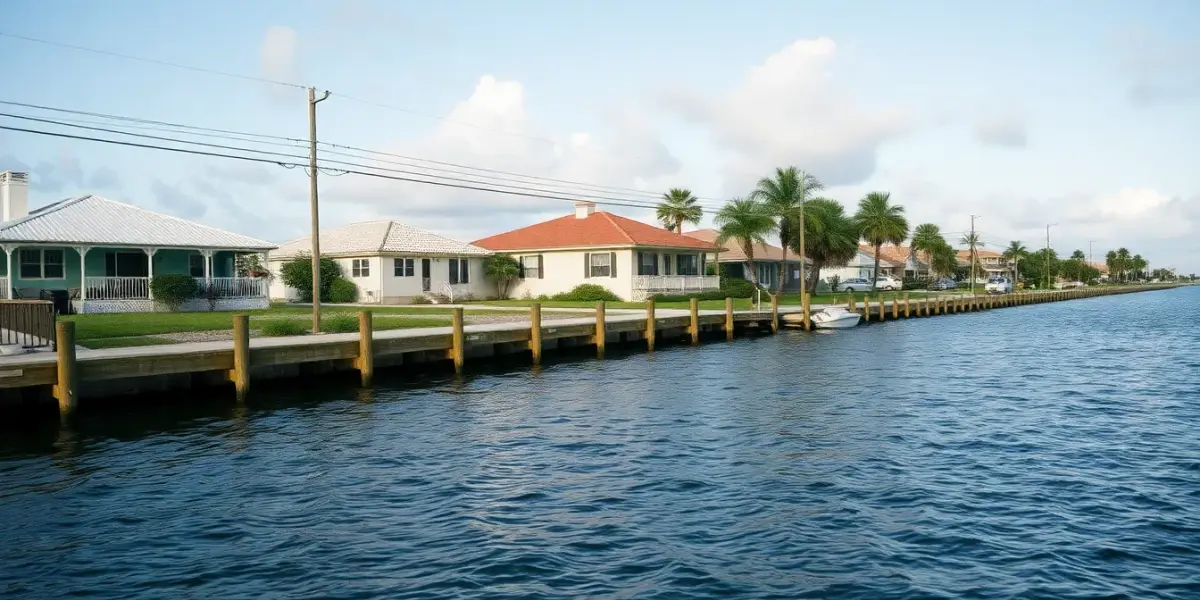
FEMA's Risk Rating 2.0 represents a major policy shift in how flood insurance premiums are calculated. As a Florida resident, understanding this new framework is essential, especially given the state's vulnerability to flooding. In this blog post, we will explore what Risk Rating 2.0 means, how it affects your flood insurance, and what you can do to navigate these changes.
What Is FEMA Risk Rating 2.0?
FEMA Risk Rating 2.0 is an updated methodology for calculating flood insurance premiums under the National Flood Insurance Program (NFIP). This new risk rating system was introduced to more accurately reflect the actual flood risks faced by individual properties. Here are some key features:
- Individual Property Analysis: Unlike the previous system, which used broad flood zone designations, Risk Rating 2.0 evaluates the unique risk factors of each property, such as its elevation, distance to water, and the potential for flooding.
- More Comprehensive Data: The new rating system incorporates advanced data analytics and technology, leading to a more precise picture of risk.
- Increased Transparency: Policyholders can better understand their premiums as they are now based on specific risk factors rather than general flood zone maps.
How Does Risk Rating 2.0 Affect My Flood Insurance?
The implementation of Risk Rating 2.0 can lead to significant changes in flood insurance premiums for Florida residents. Here’s how:
Potential Premium Changes
- Higher Premiums: Many homeowners in high-risk areas may see increases in their premiums due to the new data-driven approach. This change may affect those who previously paid lower rates under the old system.
- Lower Premiums for Some: Conversely, some properties may benefit from lower premiums if they are found to be at lesser risk than previously assessed.
Coverage Options
- Increased Coverage Limits: Risk Rating 2.0 allows for higher coverage limits compared to the previous system. This means that policyholders can opt for more comprehensive coverage if needed.
- Policy Adjustments: As premiums change, it may be necessary for homeowners to reassess their coverage needs, considering factors like property improvements or changes in risk.
Confusion and Concerns
- Policyholder Anxiety: The transition to Risk Rating 2.0 has caused confusion for many policyholders regarding how their insurance costs will change and what factors influence their premiums.
- Understanding Your Policy: It's essential to review your flood insurance policy and understand how Risk Rating 2.0 affects it. If you have questions, a licensed insurance agent can provide clarity.
What Can You Do?
To navigate the changes brought by FEMA Risk Rating 2.0, consider the following steps:
- Review Your Current Policy: Understand your existing coverage and how it may be impacted by the new rating system.
- Seek Professional Guidance: Consult with a licensed insurance agent to discuss your specific situation and explore coverage options.
- Consider Additional Coverage: Evaluate whether additional coverage is necessary to protect your property adequately.
- Stay Informed: Keep up with updates regarding FEMA's policies and how they may affect flood insurance in Florida.
Conclusion
FEMA Risk Rating 2.0 is a significant change in the landscape of flood insurance, especially for residents in Florida. By understanding how this new system works and its potential impact on your premiums and coverage, you can make informed decisions about your flood insurance needs. If you have any questions or need assistance, don't hesitate to reach out to Walker Insurance Agency for personalized support.
Related Articles
Do I Need RV Insurance in Florida? Key Considerations for Owners
If you're a Florida RV owner, understanding the necessity of RV insurance is crucial. This post delves into the legal requirements, benefits of coverage, and practical considerations for protecting your investment on the road.
Read More →
Is Boat Insurance Required in Florida? What Every Owner Should Know
Are you a boat owner in Florida wondering if you need insurance? While boat insurance is not legally required, it's highly recommended to protect your investment and ensure peace of mind. Learn more about the coverage options available to you.
Read More →
Understanding Car Insurance Rates in Stuart, FL: What Affects Your Premiums?
Are you curious about what affects car insurance rates in Stuart, FL? This guide breaks down key factors that can influence your premiums, helping you make informed choices when shopping for insurance. Discover actionable tips to save money while ensuring you have the right coverage.
Read More →