How to Insure Your RV During Hurricane Season in Florida
How to Insure Your RV During Hurricane Season in Florida
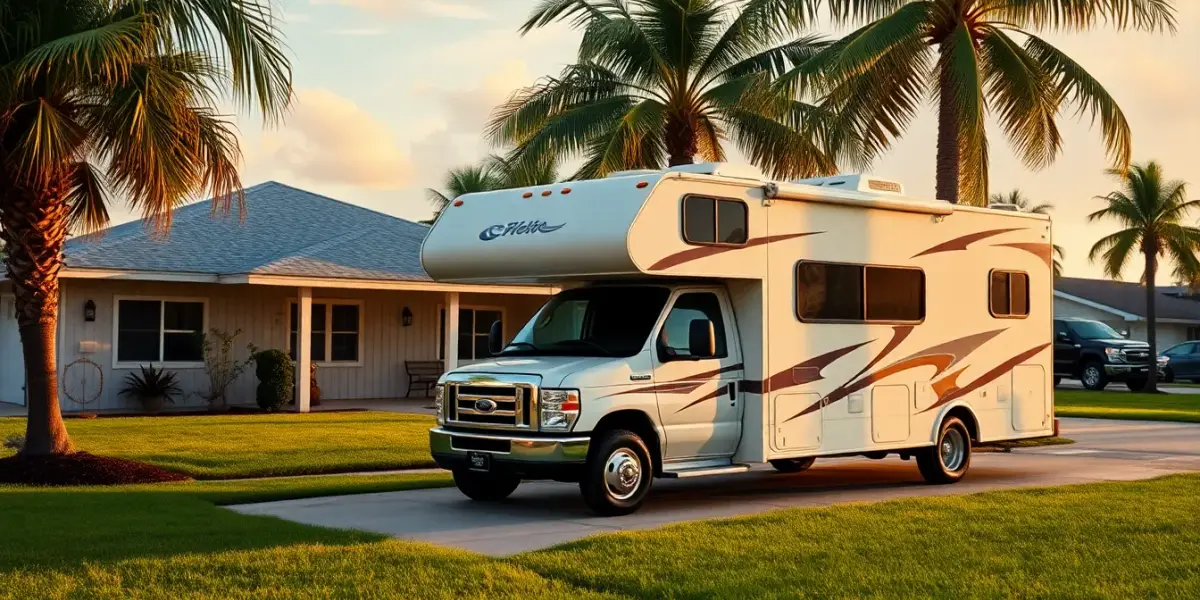
As hurricane season approaches in Florida, it’s crucial for RV owners to ensure their vehicles are adequately protected. With the potential for severe weather, understanding the right insurance coverage can help you safeguard your RV against storm damage. In this blog post, we’ll discuss essential tips for insuring your RV during hurricane season, including coverage options and preparation strategies.
Understanding the Risks
Hurricane season runs from June 1 to November 30 in Florida, bringing risks such as:
- High winds: Can cause structural damage to your RV.
- Flooding: Heavy rains can lead to significant water damage.
- Debris: Flying debris can dent or break windows.
By understanding these risks, you can better prepare your RV insurance coverage to handle potential claims.
Essential RV Insurance Coverage Options
When insuring your RV for hurricane season, consider the following coverage options:
1. Comprehensive Coverage
Comprehensive insurance covers damages to your RV caused by events other than collisions, including storm-related incidents like:
- Wind damage
- Flooding
- Hail
- Theft
2. Collision Coverage
While primarily for accidents, collision coverage can be beneficial in the event of an accident caused by debris during a storm.
3. Liability Coverage
Liability insurance protects you from legal claims if someone is injured while you’re using your RV. While not storm-specific, it’s essential to have adequate limits.
4. Emergency Roadside Assistance
This coverage can help if your RV becomes stranded due to storm conditions, offering towing and other services to get you back on the road safely.
5. Increased Replacement Cost Coverage
Consider increasing your replacement cost coverage to ensure you can fully replace your RV in the event of a total loss during a hurricane.
Preparing Your RV for Hurricane Season
In addition to ensuring your insurance is in place, take proactive measures to prepare your RV for hurricane season:
- Secure Your RV: If you plan to stay put, anchor your RV securely to prevent it from being tossed by high winds.
- Park in a Safe Location: If possible, move your RV to a location shielded from strong winds or flooding, such as a garage or a fenced area.
- Inspect Your RV: Check for any pre-existing damage, and make necessary repairs to windows, doors, and roofs to prevent leaks.
- Stock an Emergency Kit: Include essentials like food, water, a first-aid kit, and important documents in a waterproof container.
- Document Your RV’s Condition: Take photos and videos of your RV before the hurricane season begins. This documentation can be helpful for claims.
When to Review Your Policy
Before hurricane season starts, take the time to:
- Review your policy: Ensure you understand your coverage limits and deductibles.
- Discuss with an agent: Speak with a licensed insurance agent to clarify any questions and make necessary adjustments.
- Check for discounts: Ask about discounts for RV storage or any safety features your RV may have that could lower your premium.
Conclusion
Protecting your RV during hurricane season in Florida requires careful planning and the right insurance coverage. By understanding your coverage options and taking proactive measures to prepare your RV, you can enjoy peace of mind knowing that you are ready for storm season.
For personalized assistance and to get the best RV insurance coverage, contact Walker Insurance Agency today for a free quote. Our knowledgeable agents are here to help you navigate your insurance needs.
Related Articles
Do I Need RV Insurance in Florida? Key Considerations for Owners
If you're a Florida RV owner, understanding the necessity of RV insurance is crucial. This post delves into the legal requirements, benefits of coverage, and practical considerations for protecting your investment on the road.
Read More →
Is Boat Insurance Required in Florida? What Every Owner Should Know
Are you a boat owner in Florida wondering if you need insurance? While boat insurance is not legally required, it's highly recommended to protect your investment and ensure peace of mind. Learn more about the coverage options available to you.
Read More →
Understanding Car Insurance Rates in Stuart, FL: What Affects Your Premiums?
Are you curious about what affects car insurance rates in Stuart, FL? This guide breaks down key factors that can influence your premiums, helping you make informed choices when shopping for insurance. Discover actionable tips to save money while ensuring you have the right coverage.
Read More →