Lent Your Car? Why Insurance Might Deny the Claim in 2026
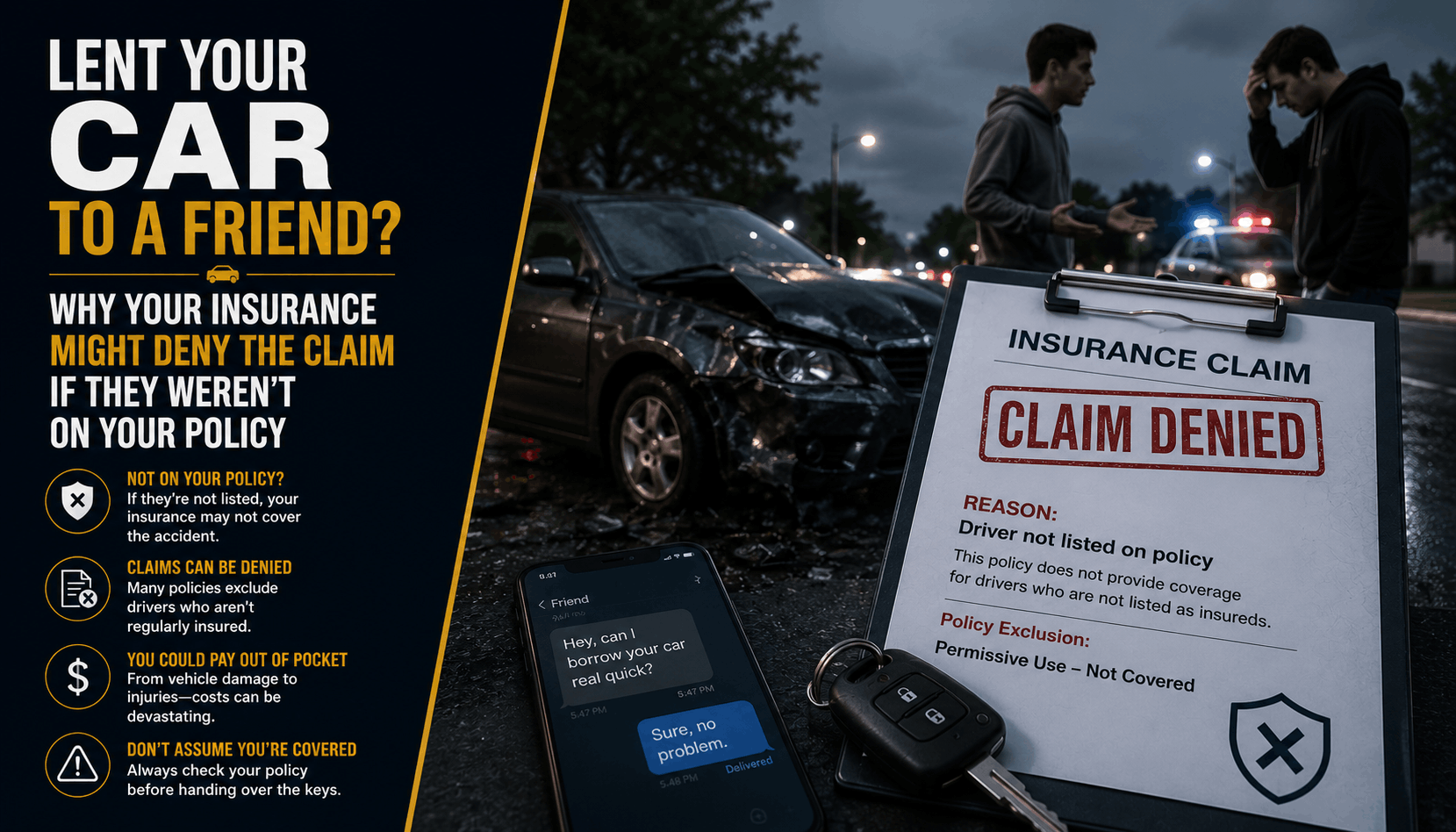
Lent Your Car to a Friend? Why Your Insurance Might Deny the Claim if They Weren't on Your Policy
The Direct Answer
Here is the core rule of auto insurance that trips up thousands of vehicle owners every year: in most cases, insurance follows the car, not the driver—meaning your policy typically covers a friend driving your car, BUT only if it qualifies as true "permissive use" and they do not live with you.
If you give a friend permission to borrow your car for an occasional errand, your standard auto policy usually extends coverage under a principle called permissive use.
However, insurers reject unlisted driver claims all the time. If the driver is an unlisted roommate or family member living under your roof, if they borrow the car regularly, if they were using it for business or rideshare driving, or if your policy includes a restrictive Named Driver Only clause, your insurance carrier can completely deny the claim, leaving you personally liable for thousands in repairs and medical bills.
Handing your keys to a friend or relative feels like a simple, generous gesture. Discovering they got into a fender benders is stressful enough; learning that your auto insurer is refusing to pay for the damage because the driver wasn't explicitly listed on your policy turns a minor mistake into a financial nightmare.
1. How "Permissive Use" Works (And Its Strict Limits)
Auto insurance generally protects the vehicle itself. When you give someone permission to drive your car, your insurance acts as the primary coverage if an accident occurs. However, permissive use has distinct boundaries:
- Occasional Use Only: Permissive use is strictly intended for rare, sporadic instances—like letting a visiting friend drive to the grocery store or taking turns on a road trip.
- The Household Member Rule: Permissive use almost never applies to people living in your household. Insurers expect every licensed driver living under your roof (roommates, partners, adult children) to be explicitly listed on your policy because they have regular access to the keys.
- The Regularity Trap: If a friend who lives elsewhere borrows your car every week to commute to work, insurance companies classify them as a regular driver. Failing to list them can be flagged as "material misrepresentation," resulting in a flat claim denial.
2. Four Common Scenarios Where Insurance Denies the Claim
Understanding where permissive use breaks down will save you from devastating out-of-pocket expenses:
- 1. Unlisted Household Drivers: If your roommate or live-in partner crashes your car and isn't on your policy, the insurer will likely deny the claim on the grounds that a regular household driver was concealed to keep premiums low.
- 2. Excluded Drivers: If you explicitly named someone as an Excluded Driver on your policy (often done to lower rates due to their poor driving record), zero coverage exists if they take the wheel—even in an emergency.
- 3. Business or Commercial Use: If your friend borrows your truck to deliver goods, run business errands, or drive for a rideshare/delivery app (like Uber or DoorDash), your personal auto policy will reject any crash claims.
- 4. Non-Permissive Use (Stolen or Unauthorized): If someone takes your vehicle without your express permission, your policy's liability coverage won't cover damage they cause to others, though your comprehensive/collision coverage may apply to your own car.
Primary vs. Secondary Coverage: When permissive use applies, your policy pays out first. If the damages exceed your policy limits, your friend’s personal auto policy acts as secondary coverage to pick up the remainder. If they have no insurance, you are on the hook for everything beyond your policy cap.
3. How to Protect Yourself Before Handing Over the Keys
You don't have to ban friends from ever touching your steering wheel, but you must handle your policy correctly to avoid catastrophic claim denials:
- List All Resident Drivers: Add every licensed person living in your home to your auto policy immediately, even if they rarely drive your car.
- Add Frequent Guest Drivers: If a non-resident friend or relative uses your vehicle regularly (e.g., a nanny or a friend borrowing it weekly), add them as a named driver to guarantee coverage.
- Check Your Policy's Endorsements: Review your declarations page to ensure your carrier hasn't inserted a "Step-Down Provision" (which drops coverage to state minimum limits for permissive drivers) or a "Named Driver Only" restriction.
Why Working with an Independent Agency Matters
Auto policy fine print, permissive use clauses, and driver exclusions can be confusing to navigate alone. At Walker Insurance Agency, we help local drivers make sure their vehicles and households are fully protected before an accident happens.
- Custom Household Audits: We evaluate your living situation and vehicle usage to ensure all regular drivers are properly listed without overpaying.
- Policy Fine-Print Reviews: As an independent shop, we scan carrier contracts to warn you about hidden "Step-Down" limits or restrictive driver exclusions.
- Local, Honest Advice: Based right here in Stuart, Florida, we give you straight answers so you can share your keys with confidence.
Frequently Asked Questions
1. What happens if a friend crashes my car and they are at fault?
Your auto insurance policy serves as the primary coverage to pay for the other party's property damage and medical bills, as well as repairs to your car (if you have collision coverage). You will have to pay your collision deductible, and your insurance premiums may increase as a result.
2. Does my friend's insurance pay if they crash my car?
Your insurance pays first. Your friend's auto insurance only comes into play as secondary coverage if the total damages exceed your policy's primary liability limits.
3. What if I lend my car to someone who doesn't have a driver's license?
Lending your car to an unlicensed or suspended driver violates standard insurance terms. If they cause an accident, your insurer will almost certainly deny the claim entirely, and you could face severe legal liability for negligent entrustment.
Protect Your Car, Savings, and Peace of Mind
Before you hand your car keys to a friend or household member, make sure your insurance policy actually supports your generosity. Taking a few minutes to clarify driver listings today keeps an unexpected accident from turning into a massive financial loss.
Don't leave your auto coverage to chance. Contact Walker Insurance Agency today for a fast, zero-pressure policy checkup. We'll help you lock down the right protection so you can drive and share your vehicle worry-free.
[GET A FREE QUOTE TODAY]
Give our team a call at +1-407-977-7100 or stop by our office at 789 SW Federal Hwy, Ste 201, Stuart, FL 34994. We're here to keep you, your vehicle, and your savings completely secure.
Related Articles
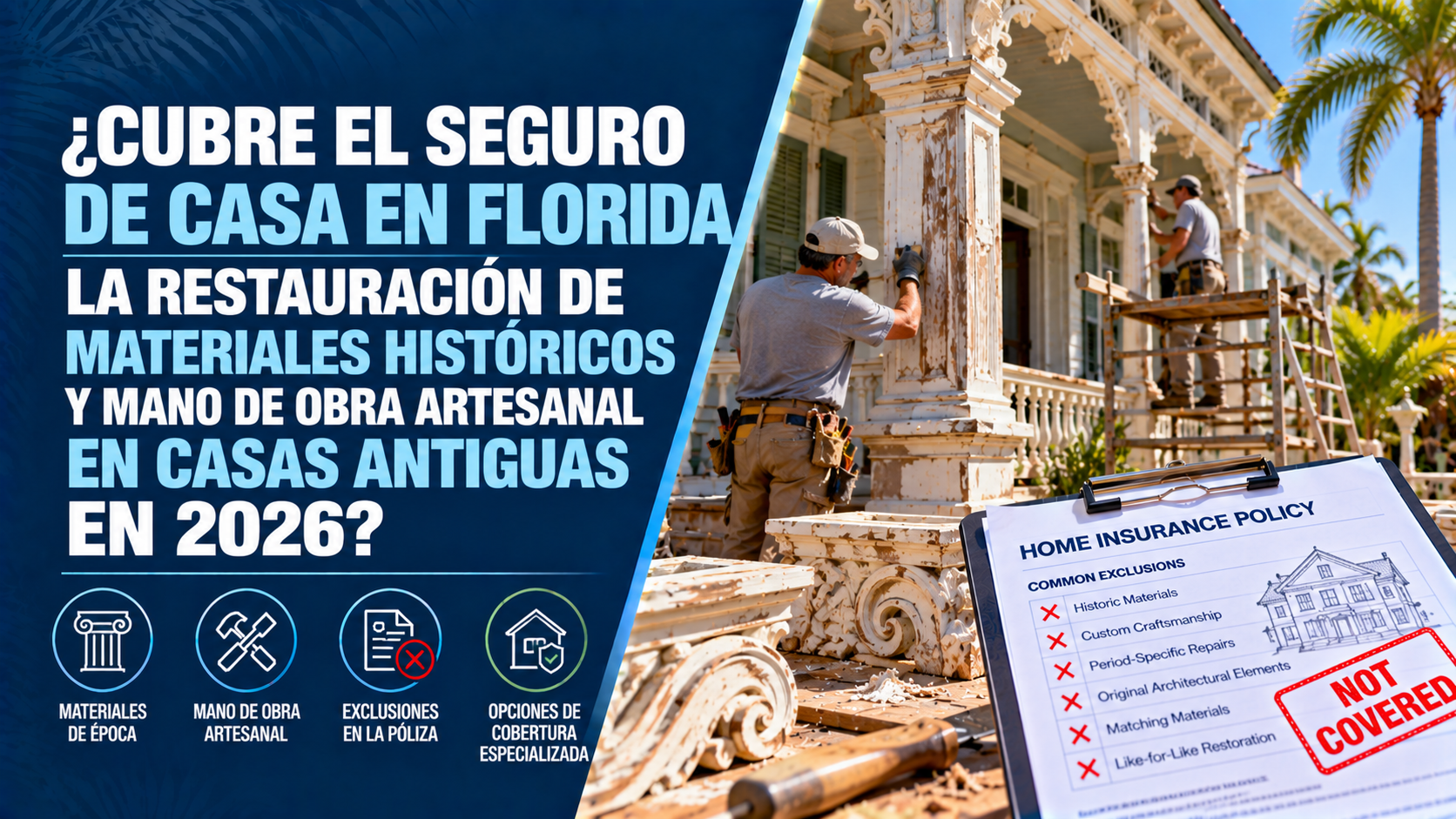
Seguro para Casas Históricas en Florida: Materiales y Mano de Obra (2026)
¿Tienes una casa antigua o histórica en Florida? Descubre por qué el seguro básico deniega la restauración artesanal y cómo proteger tu patrimonio en 2026.
Read More →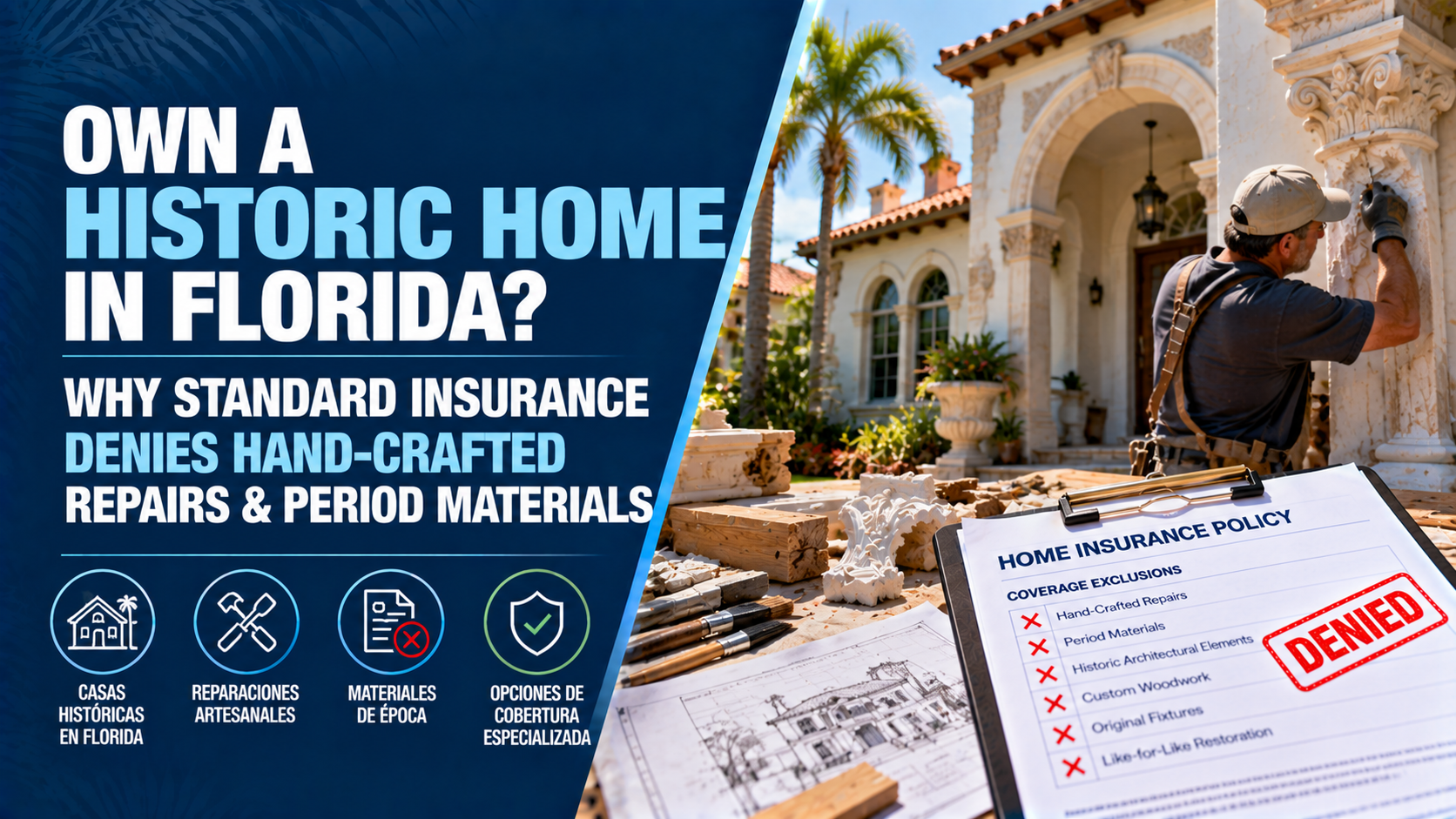
Historic Home Insurance Florida: Hand-Crafted Repairs & Materials
Own a historic home in Florida? Learn why standard insurance denies hand-crafted repairs, period materials, and code upgrades, and how to protect your property.
Read More →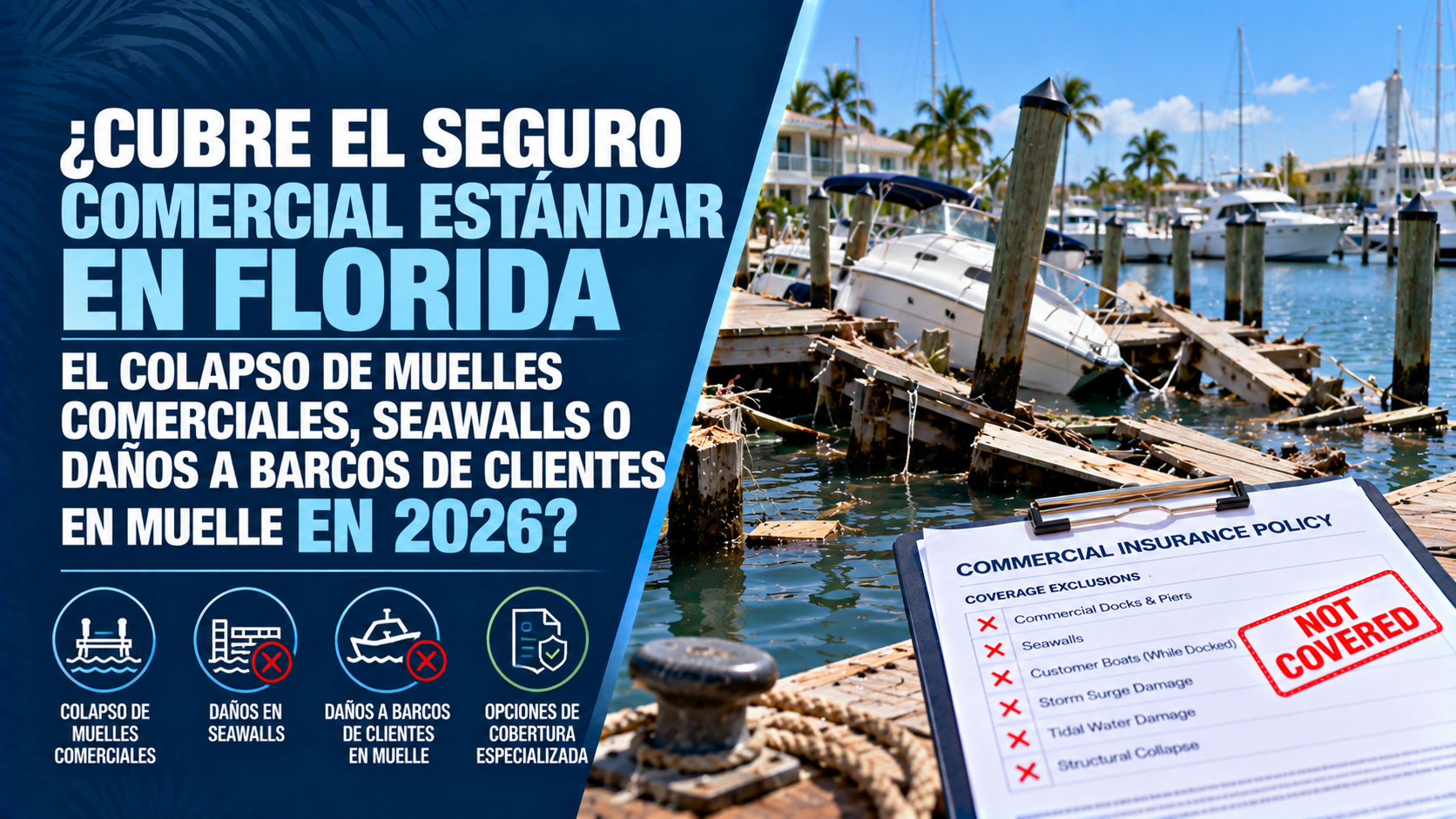
Seguro Comercial en Florida: Colapso de Muelles y Seawalls (2026)
¿Tienes una marina o negocio costero en Florida? Descubre por qué el seguro comercial estándar excluye muelles, seawalls y barcos de clientes en 2026.
Read More →