Understanding the Differences Between National Flood Insurance Program and Private Flood Insurance in Florida: What Homeowners Should Know
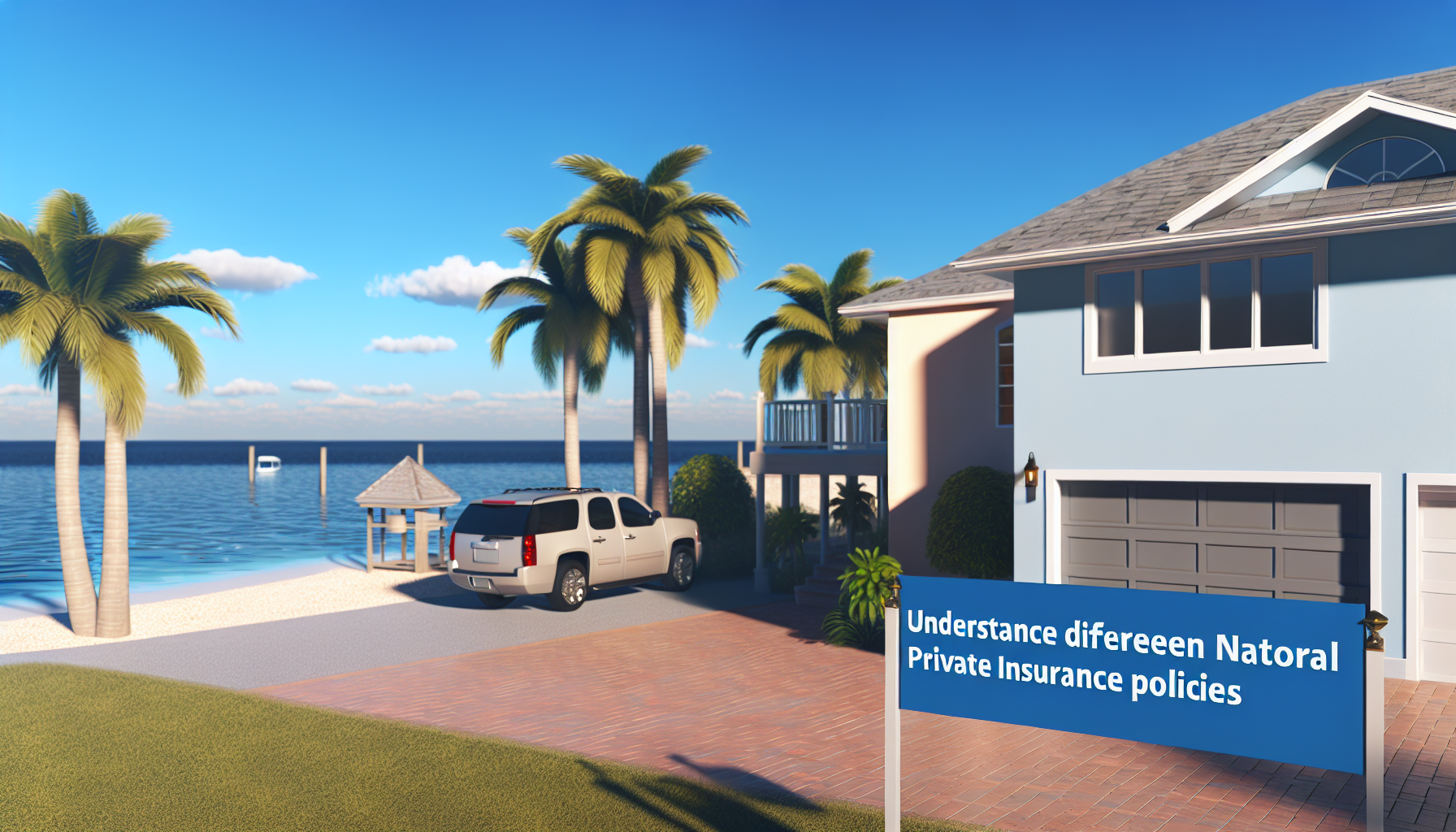
Understanding the Differences Between National Flood Insurance Program and Private Flood Insurance in Florida: What Homeowners Should Know
Flooding is a significant concern for homeowners in Florida, making it essential to have the right flood insurance coverage. In this post, we’ll explore the key differences between the National Flood Insurance Program (NFIP) and private flood insurance, so you can make an informed decision that best suits your needs.
What is the National Flood Insurance Program (NFIP)?
The NFIP is a federal program administered by FEMA (Federal Emergency Management Agency) that provides flood insurance to property owners in participating communities. Here are some essential features:
- Standardized Rates: NFIP rates are set by FEMA and are generally uniform across communities.
- Coverage Limits: The maximum coverage available through NFIP is $250,000 for the dwelling and $100,000 for personal property.
- Mandatory in High-Risk Areas: Homeowners in high-risk flood zones (FEMA Zones A and V) with a mortgage are required to carry flood insurance.
- 30-Day Waiting Period: Typically, there is a 30-day waiting period before coverage begins, unless the policy is for a new mortgage.
What is Private Flood Insurance?
Private flood insurance is offered by private insurance companies and is an alternative to the NFIP. With this option, homeowners may find:
- Flexible Coverage Options: Private insurers often provide more flexible terms and higher coverage limits than the NFIP.
- Potential Cost Savings: Many homeowners find private flood insurance to be more affordable than NFIP policies, especially in low-risk areas.
- Faster Claims Processing: Private companies may offer quicker claims processing compared to the NFIP.
- No Waiting Period: Unlike NFIP, private flood insurance can sometimes be purchased without a waiting period, providing immediate coverage.
Key Differences Between NFIP and Private Flood Insurance
Understanding the distinctions between NFIP and private flood insurance can help you determine which option is best for you:
| Feature | NFIP | Private Flood Insurance |
|---|---|---|
| Coverage Limits | Up to $250,000 dwelling, $100,000 contents | Often higher limits available |
| Rate Structure | Standardized by FEMA | Varies by insurer |
| Waiting Period | 30 days | Often no waiting period |
| Mandatory in High-Risk Zones | Yes, for mortgaged properties | Not always required |
| Claims Processing | May be slower | Typically faster |
| Availability | Limited to participating communities | Available in more locations |
When Should You Choose NFIP?
- If you live in a high-risk flood zone and your mortgage lender requires flood insurance.
- If you prefer standardized rates and coverage.
- If you are eligible for NFIP’s subsidized rates due to low-risk areas.
When Might Private Flood Insurance Be a Better Option?
- If you need higher coverage limits than NFIP provides.
- If you want quicker claims processing and more personalized service.
- If you live in a low-risk area and want more affordable options.
Conclusion
Choosing the right flood insurance is vital for protecting your home and assets from Florida’s unique flood risks. Understanding the differences between the National Flood Insurance Program and private flood insurance can help you make an informed decision tailored to your specific needs.
At Walker Insurance Agency, we’re here to help you navigate your options and find the best flood insurance coverage for your Florida home. Contact us today for a free quote and let our experienced agents assist you in securing the protection you need.
Related Articles
Do I Need RV Insurance in Florida? Key Considerations for Owners
If you're a Florida RV owner, understanding the necessity of RV insurance is crucial. This post delves into the legal requirements, benefits of coverage, and practical considerations for protecting your investment on the road.
Read More →
Is Boat Insurance Required in Florida? What Every Owner Should Know
Are you a boat owner in Florida wondering if you need insurance? While boat insurance is not legally required, it's highly recommended to protect your investment and ensure peace of mind. Learn more about the coverage options available to you.
Read More →
Understanding Car Insurance Rates in Stuart, FL: What Affects Your Premiums?
Are you curious about what affects car insurance rates in Stuart, FL? This guide breaks down key factors that can influence your premiums, helping you make informed choices when shopping for insurance. Discover actionable tips to save money while ensuring you have the right coverage.
Read More →