Do I Really Need RV Insurance in Florida? Important Considerations for Owners
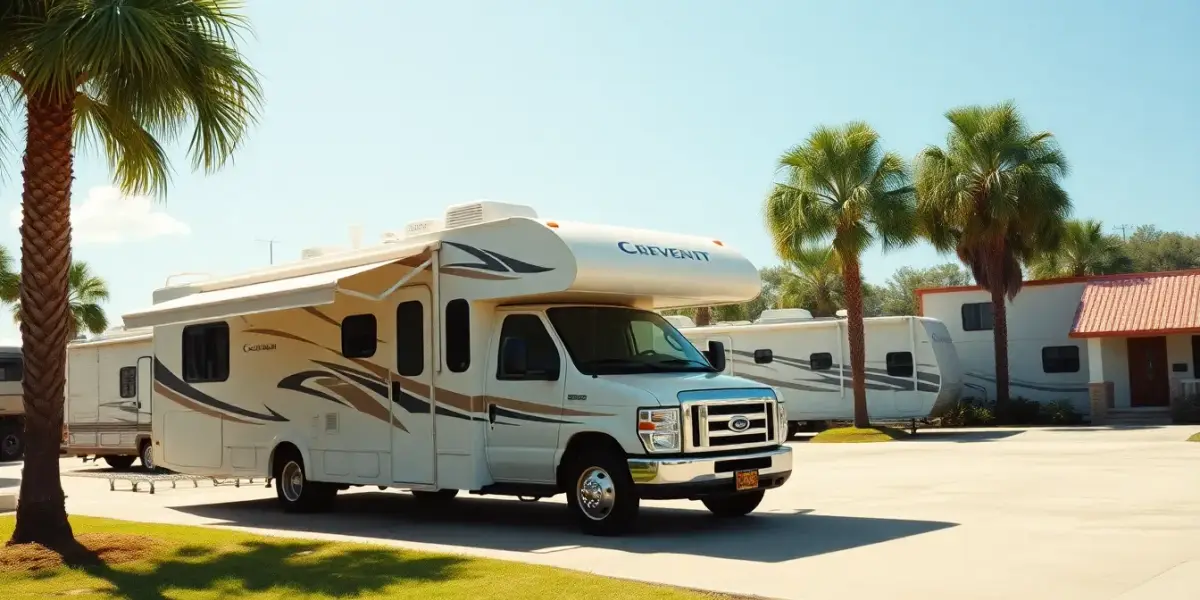
Do I Really Need RV Insurance in Florida? Important Considerations for Owners
Are you considering hitting the open road in your RV? While RV insurance isn't legally required in Florida, it offers crucial protection against potential risks. Learn why having RV insurance is a wise choice for all Florida RV owners.
Understanding RV Insurance in Florida
When it comes to insuring your RV, many Florida residents often wonder, "Is RV insurance really necessary?" While Florida law does not mandate RV insurance like it does for personal vehicles, there are several compelling reasons why you should strongly consider it.
Key Reasons to Consider RV Insurance
- Protection Against Accidents: Accidents can happen, even to the most experienced drivers. RV insurance can cover vehicle repairs, medical expenses, and liability claims if you're involved in an accident.
- Theft and Vandalism: RVs are often targeted by thieves. Insurance can provide coverage for theft or damage due to vandalism, giving you peace of mind while you're parked.
- Personal Property Coverage: RV insurance can protect the personal belongings inside your RV, such as electronics, camping gear, and furniture, in case of theft or damage.
- Roadside Assistance: Many RV insurance policies offer roadside assistance, which can be invaluable during a breakdown or emergency situation.
- Liability Coverage: If someone is injured while on your RV property or if you accidentally damage someone else's property while driving, liability coverage can protect you financially.
Types of RV Insurance Coverage Available
When looking for RV insurance in Florida, you can choose from several types of coverage:
- Liability Insurance: Covers damages you cause to others and their property.
- Collision Coverage: Pays for damage to your RV after an accident.
- Comprehensive Coverage: Protects against non-collision-related incidents, such as theft or natural disasters.
- Personal Belongings Coverage: Insures the items inside your RV against loss or damage.
- Full-Timer Coverage: If you live in your RV, this policy can cover your personal belongings and liability as if it were your primary residence.
What to Consider When Shopping for RV Insurance
Before purchasing RV insurance, keep these factors in mind:
- Value of Your RV: Determine how much coverage you need based on the value of your RV.
- Usage: Consider how often and for what purpose you will use your RV (weekend trips vs. full-time living).
- Bundling Options: Check if you can bundle your RV insurance with other policies (like auto or home insurance) for potential discounts.
- Insurer Reputation: Look for a provider with good customer service and claims handling.
Conclusion
While Florida does not require RV insurance, it's clear that having coverage is a smart move for RV owners. It not only protects your investment but also provides peace of mind during your travels. At Walker Insurance Agency, we can help you find the best RV insurance options tailored to your needs. Don’t hit the road without the right coverage!
Get started today by requesting a free quote! Get a Quote or learn more about our RV Insurance options.
Tags
- rv-insurance
- florida-rv-coverage
- stuart-florida
- insurance-tips
- florida-insurance
Related Articles
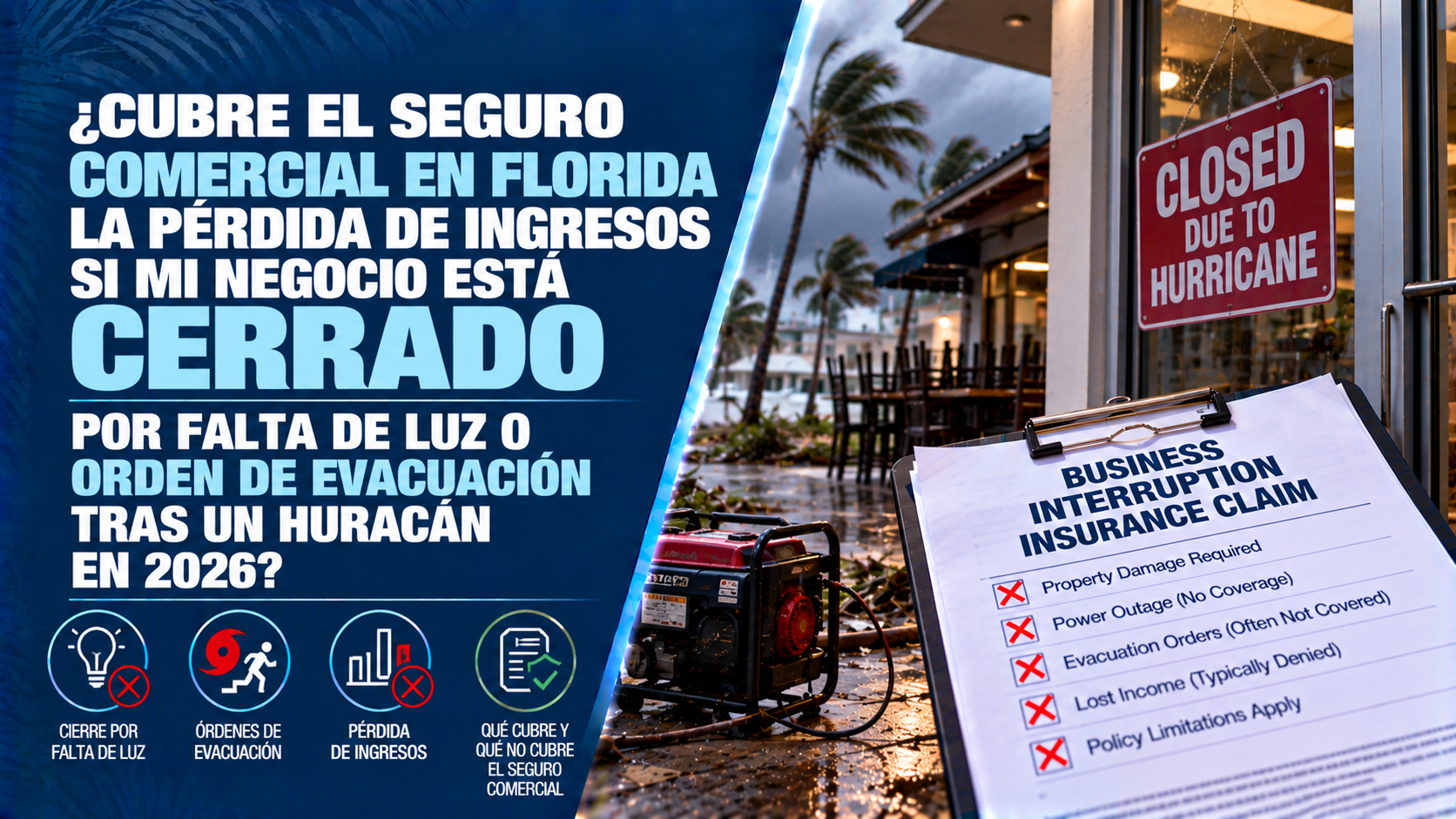
Seguro Comercial en Florida: Pérdida de Ingresos sin Daños (2026)
¿Negocio cerrado por apagones o evacuación tras un huracán en Florida? Descubre por qué el seguro estándar deniega la pérdida de ingresos y cómo protegerte en 2026.
Read More →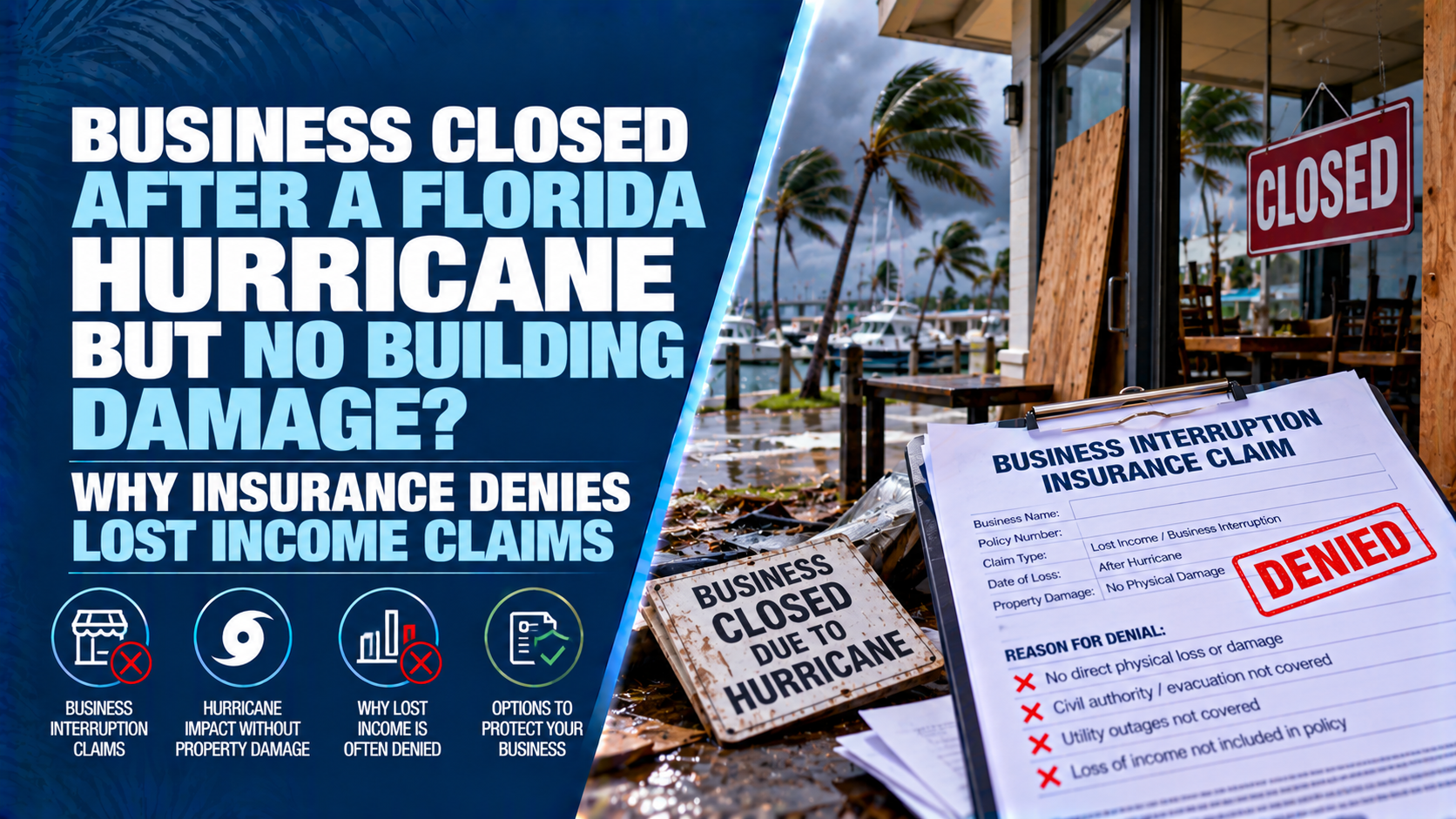
Florida Business Interruption Insurance: Lost Income Claims (2026)
Business forced to close after a Florida hurricane despite no building damage? Learn why insurance denies lost income claims and how to secure protection.
Read More →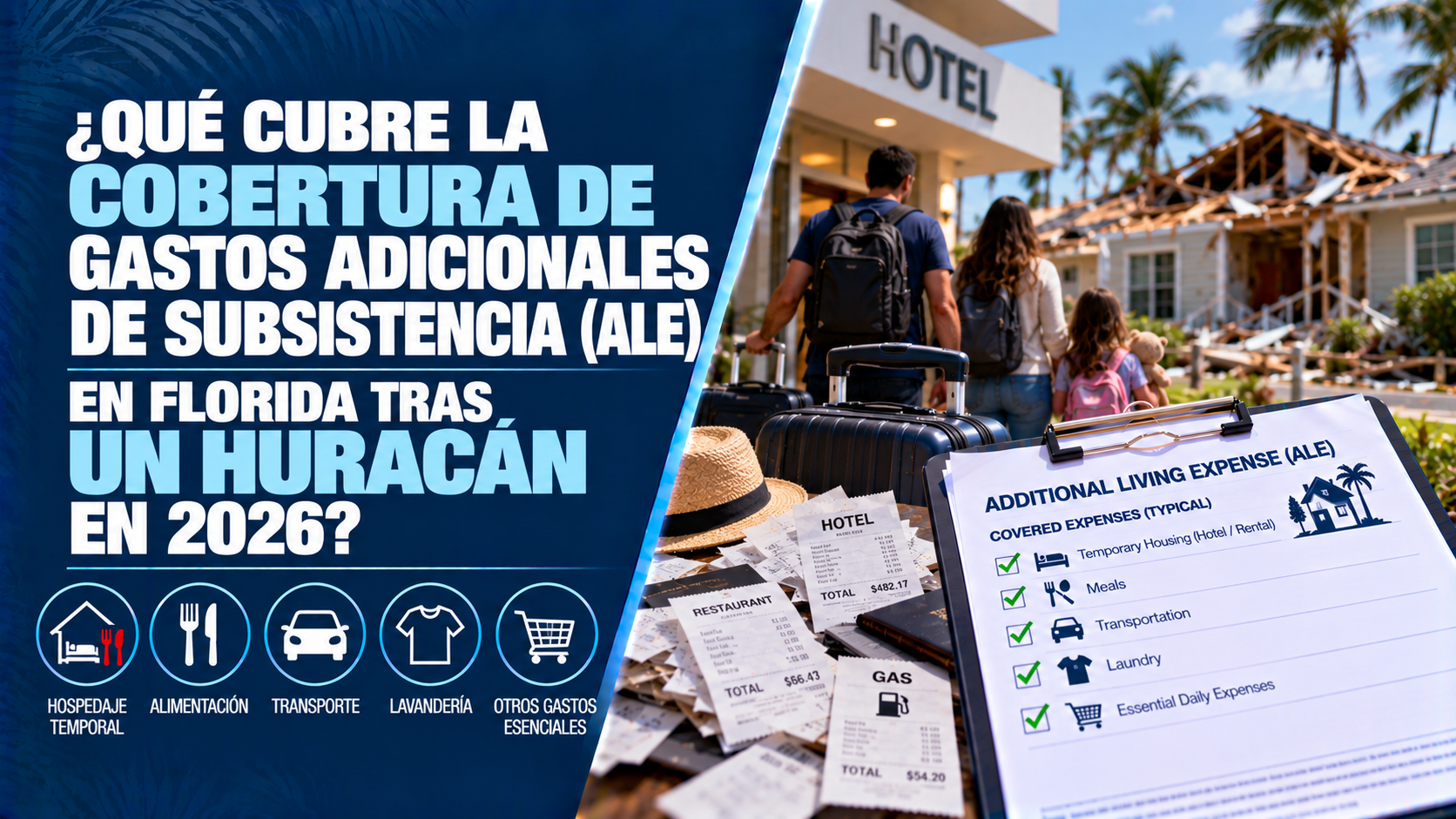
Cobertura ALE en Florida (2026): Gastos tras un Huracán
¿Desplazado por un huracán en Florida? Descubre qué cubre la cobertura ALE (Pérdida de Uso), reglas de recibos y límites de reembolso en 2026.
Read More →