The Hidden Risk of Volunteering: Protect Your Personal Assets (2026)
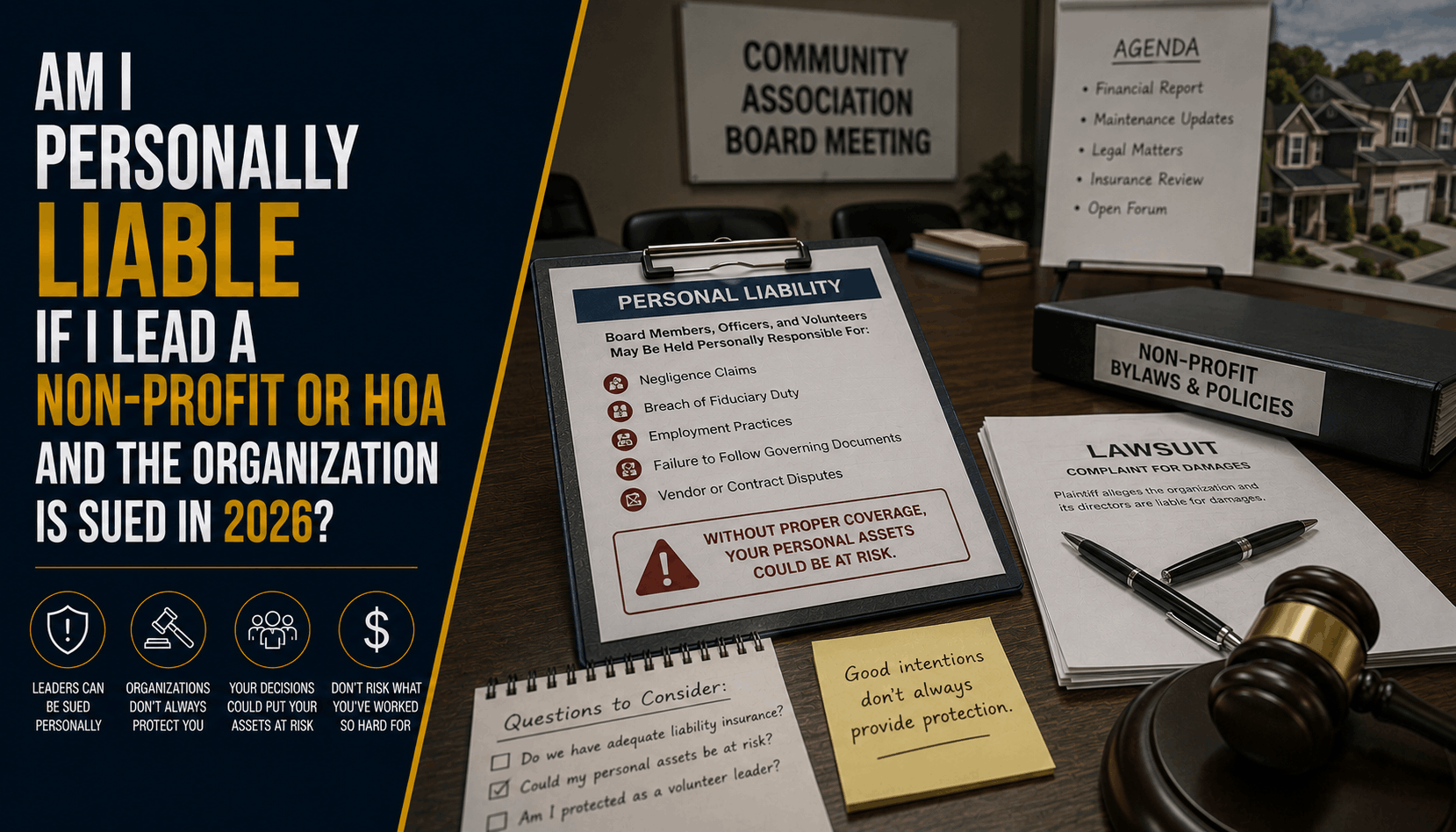
The Hidden Risk of Volunteering: Why Your Personal Assets Are at Stake When Leading a Non-Profit or HOA
The Direct Answer
Here is the uncomfortable reality most community leaders don't realize until it is too late: stepping up to serve as an uncompensated board member or officer for a non-profit or Homeowners Association (HOA) can expose your personal savings, home, and investments to lawsuit judgments. While most volunteers assume that goodwill and good intentions shield them from legal accountability, board members owe strict fiduciary duties—such as the duty of care, loyalty, and obedience—to the organizations they serve. If an aggrieved homeowner, former employee, donor, or vendor sues the non-profit or HOA for mismanagement, breach of duty, discrimination, or financial errors, individual board members are routinely named as personal co-defendants. Without a dedicated Directors and Officers (D&O) Liability policy protecting the organization, your standard homeowners policy will explicitly deny coverage for these corporate governance claims—leaving you to pay out-of-pocket for expensive legal defense retainers and potential court judgments.
Volunteering your time to guide a local charity, youth sports league, or neighborhood condo board is a noble way to give back. However, sitting at the head of a board table carries real corporate responsibility. Understanding where your personal legal liability begins—and how to lock down proper protection—is essential before accepting your next board seat.
1. The Myth of Volunteer Immunity Laws
Many well-meaning board members rely on federal or state protections, such as the federal Volunteer Protection Act or state-level non-profit immunity statutes. While these laws do offer a baseline of defense, they contain massive legal loopholes that plaintiff attorneys exploit:
- Immunity Is Not an Automatic Defense against Lawsuits: Volunteer immunity laws do not stop someone from filing a lawsuit against you personally. You still must hire a defense attorney to appear in court, file motions, and prove that your actions qualify for statutory immunity—costing tens of thousands of dollars in legal fees before a judge ever dismisses the case.
- The "Gross Negligence" Exception: Volunteer protection statutes only cover simple mistakes made in good faith. They explicitly exclude allegations of gross negligence, willful misconduct, reckless indifference, or breach of fiduciary duty—claims that are routinely written into civil complaints to bypass immunity protections.
- HOA Boards Face Higher Scrutiny: Members of residential HOA or condo boards are rarely shielded by non-profit volunteer immunity laws to the same degree as charitable volunteers, as HOA disputes often involve property rights, financial assessments, and contractual disagreements between neighbors.
2. Common Scenarios That Put Your Personal Wealth in the Crosshairs
You don't have to commit fraud or steal money to get sued as a board member. Everyday governance decisions and administrative oversight errors frequently trigger legal action:
- HOA Architectural & Assessment Disputes: An HOA board denies a homeowner's request for a property modification, or levies a special assessment to repair common areas. The angry homeowner sues the board collectively and each board member individually, alleging selective enforcement or breach of fiduciary duty.
- Employment & Discrimination Claims: A non-profit executive director is terminated for poor performance, or a volunteer coordinator is let go. The former employee files a wrongful termination, harassment, or discrimination lawsuit naming the board members who approved the decision.
- Mismanagement of Funds & Vendor Contracts: A charitable board fails to properly oversee an event contract or mismanages donor funds earmarked for a specific cause. Donors or vendors sue the officers personally for breach of contract or negligent financial oversight.
The Dangerous Coverage Gap: Your personal homeowners or umbrella insurance policies contain explicit business and professional liability exclusions. They will not provide a legal defense or pay settlements for claims arising from your activities on a corporate, non-profit, or HOA board.
3. How to Protect Yourself Before Taking a Board Seat
Serving your community shouldn't cost you your family's financial security. Protect your personal assets by taking these three proactive steps:
- Step 1: Require Standalone Directors & Officers (D&O) Coverage. Before joining any non-profit or HOA board, demand proof that the organization carries a dedicated D&O insurance policy. Ensure the policy includes coverage for both current and former board members, officers, committee members, and volunteers.
- Step 2: Confirm Corporate Indemnification Provisions. Review the organization’s bylaws and Covenants, Conditions, and Restrictions (CC&Rs). Ensure the governing documents contain strong corporate indemnification clauses requiring the organization to defend and hold board members harmless against claims arising from their service.
- Step 3: Add a Personal D&O or Board Liability Rider. If you serve on multiple community or charitable boards, ask your independent insurance agent about adding a Personal Directors and Officers Liability Endorsement to your personal umbrella policy for an extra layer of personal protection.
Why Working with an Independent Agency Is Vital
Structuring proper liability protection for non-profits, HOAs, and individual board members requires deep commercial and personal lines expertise. At Walker Insurance Agency, we analyze organizational coverage limits and personal liability exposures to ensure your community service doesn't jeopardize your personal wealth.
The Walker Advantage:
- Comprehensive Board Liability Audits: We review non-profit and HOA insurance portfolios to identify hidden D&O exclusions, low defense limits, and coverage gaps.
- Tailored D&O Solutions: We source robust commercial D&O policies from top national carriers that cover employment practices liability, financial mismanagement claims, and defense costs outside the policy limits.
- Personal Risk Protection: Based in Stuart, FL, we help local community leaders align their personal lines and umbrella coverage to shield their homes and investments from outside board liabilities.
FAQ
1. Will my personal umbrella insurance policy cover me if I am sued as an HOA board member?
In most cases, no. Standard personal umbrella policies explicitly exclude coverage for liabilities arising from your position as an officer or director of an organization, including HOAs and non-profits. You must rely on the organization's commercial D&O policy or add a specific board member endorsement to your personal policy.
2. What is the difference between General Liability and D&O insurance for a non-profit or HOA?
General Liability covers physical losses—such as a visitor slipping and falling at a non-profit event or common area pool. Directors and Officers (D&O) insurance covers financial and managerial decisions—such as allegations of mismanaged funds, breach of contract, wrongful termination, or improper rule enforcement.
3. How much D&O coverage should an HOA or small non-profit carry?
While minimum requirements vary based on the size of the community or non-profit budget, most small-to-midsize organizations carry at least $1,000,000 to $5,000,000 in D&O limits. It is critical to ensure the policy includes defense costs in addition to the liability limit so legal fees do not drain the money available to settle claims.
Protect Your Personal Wealth While Serving Your Community
Giving back to your neighborhood or favorite charity should be a rewarding experience, not a financial gamble. Ensuring the board you serve on carries comprehensive D&O protection allows you to lead with confidence.
Take control of your liability exposure today. Contact Walker Insurance Agency for a thorough coverage audit. We offer the professional guidance you need to eliminate hidden risks, secure top-tier D&O protection, and keep your hard-earned assets safe.
[GET A FREE QUOTE TODAY]
Call our agency at +1-407-977-7100 or visit our office at 789 SW Federal Hwy, Ste 201, Stuart, FL 34994. Let us safeguard what matters most to you today.
Related Articles
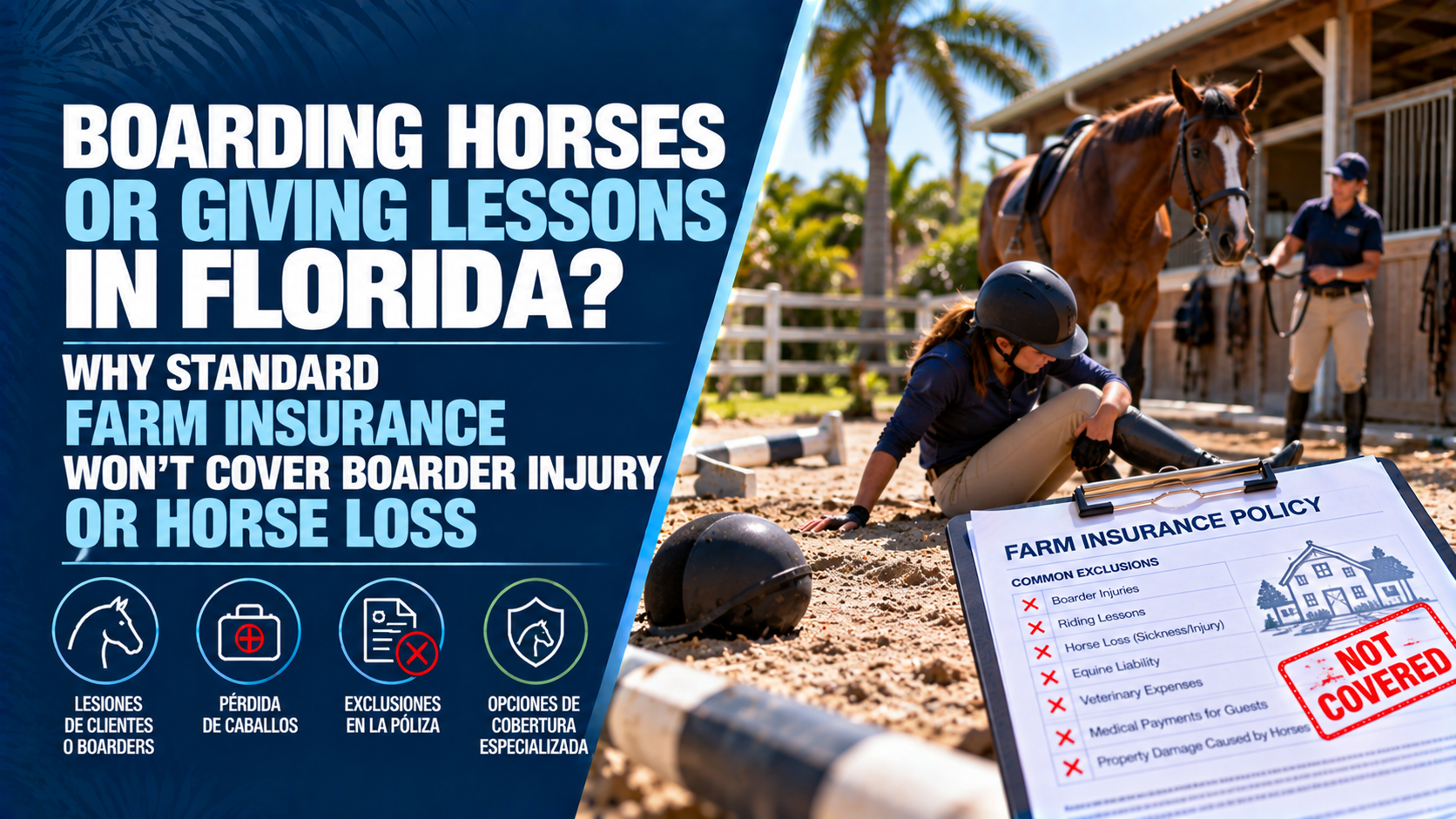
Horse Boarding Insurance in Florida: Boarder Injury & Horse Loss
Boarding horses or giving riding lessons in Florida? Learn why standard farm insurance may not cover boarder injuries, horse losses, or equine liability.
Read More →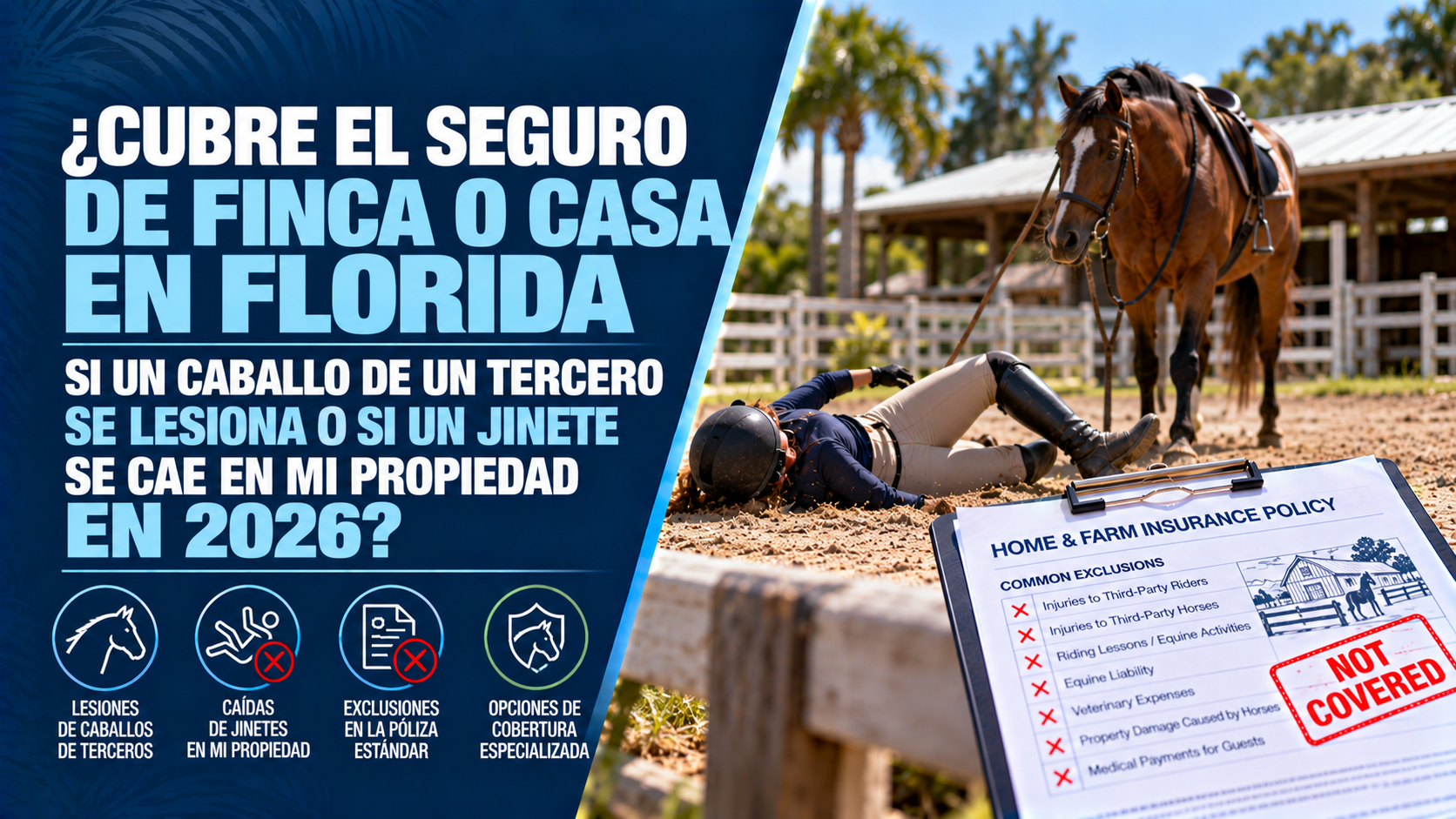
¿Cubre el Seguro de Finca un Caballo Lesionado en Florida? | 2026
¿Un caballo de terceros se lesionó o un jinete cayó en tu propiedad de Florida? Descubre qué puede cubrir tu seguro de finca o casa en 2026.
Read More →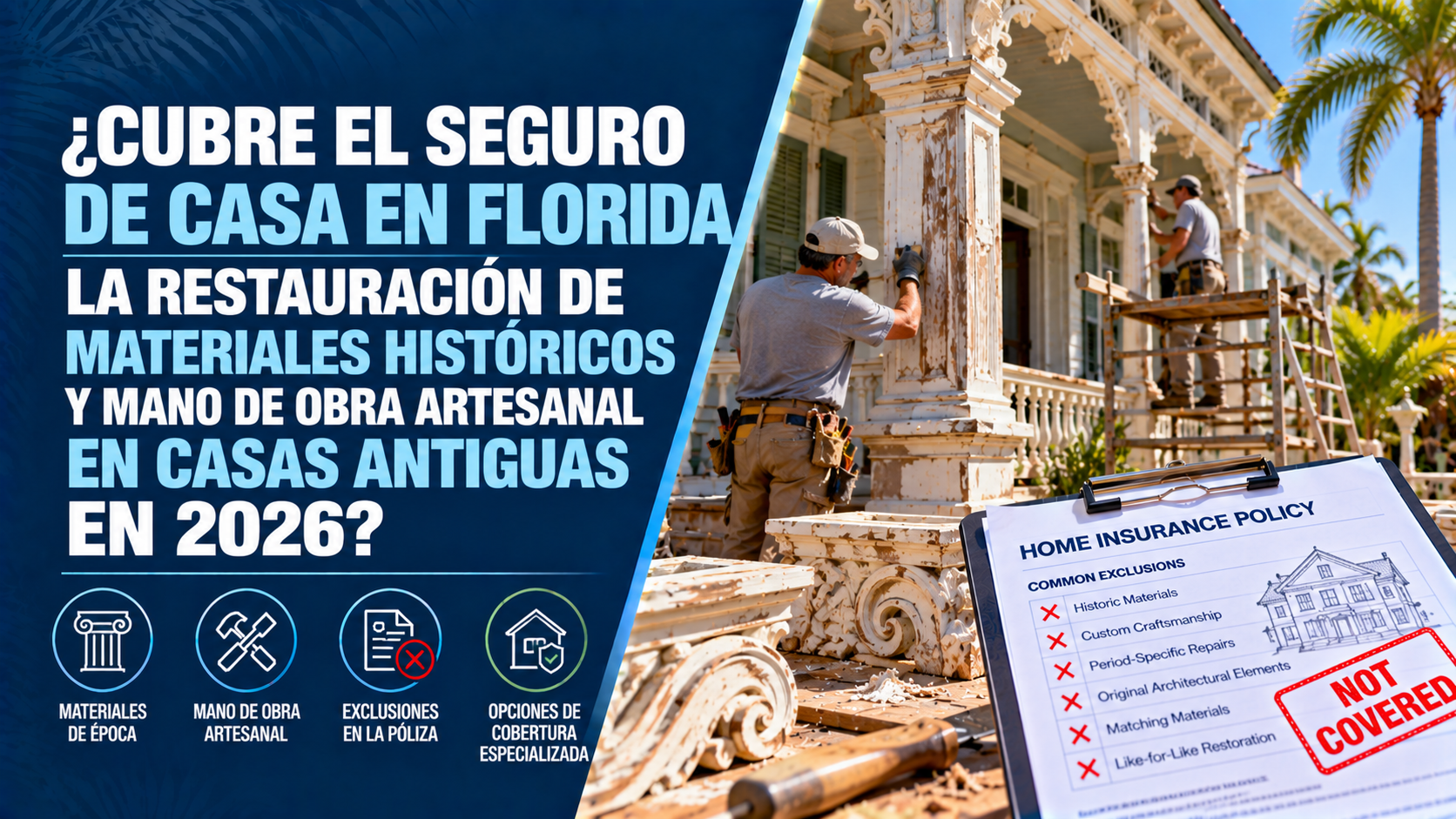
Seguro para Casas Históricas en Florida: Materiales y Mano de Obra (2026)
¿Tienes una casa antigua o histórica en Florida? Descubre por qué el seguro básico deniega la restauración artesanal y cómo proteger tu patrimonio en 2026.
Read More →